






How to Get Rid of Keloids: Effective Treatment Options
Keloids are raised scars that develop when the body produces too much collagen during the healing process. Unlike normal scars, keloids grow beyond the original wound and can continue to enlarge over time. They commonly form after surgery, piercings, acne, burns, or other skin injuries and are often found on the ears, chest, shoulders, back, and jawline.
If you’re dealing with a keloid, you’re probably wondering whether it can go away on its own. Unfortunately, most keloids do not disappear without treatment. However, several dermatologic treatments can help reduce their size, improve their appearance, and relieve symptoms such as itching or discomfort.
Keloid Treatment Options
The most appropriate treatment depends on the size, location, and severity of the scar. One of the most common approaches is corticosteroid injections, which are administered directly into the keloid to help flatten the scar and reduce inflammation. Multiple treatments are often needed to achieve the best results.
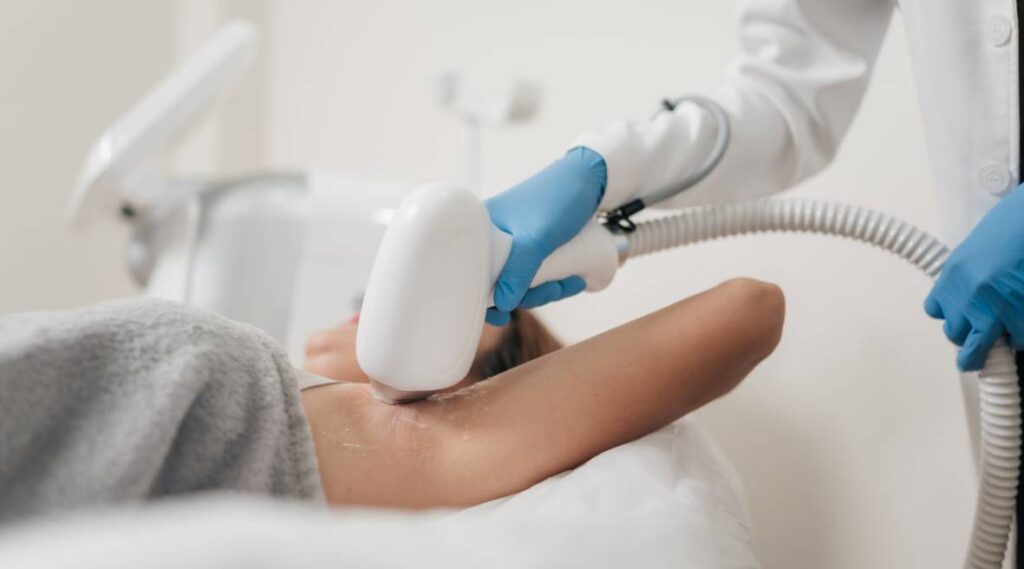
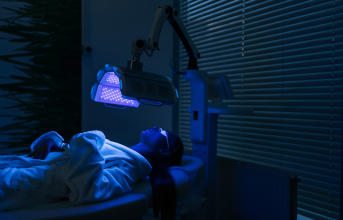
Laser therapy is another popular option. It can help minimize redness, improve texture, and make a keloid less noticeable. In some cases, laser treatments are combined with steroid injections for enhanced results.
For larger keloids, surgical removal may be recommended. Because keloids have a tendency to return after surgery, dermatologists often combine excision with additional treatments to help reduce the risk of recurrence.
Cryotherapy, which uses controlled freezing to shrink scar tissue, may also be effective for certain keloids, particularly smaller ones. Additionally, silicone gels and silicone scar sheets can help soften and flatten scars over time, especially when used early in the healing process.
Can Keloids Be Prevented?
While not all keloids can be prevented, people who are prone to developing them can take steps to reduce their risk. Proper wound care, protecting healing skin from sun exposure, and seeking treatment as soon as a scar begins to thicken can all help. If you have a history of keloids, it’s also worth discussing preventative options with your dermatologist before undergoing surgery or getting a piercing.
When to See a Dermatologist
If a scar continues to grow, becomes uncomfortable, or causes cosmetic concerns, it’s a good idea to schedule an evaluation. Early treatment can often help prevent a keloid from becoming larger and more difficult to manage.
Keloid Treatment in San Antonio
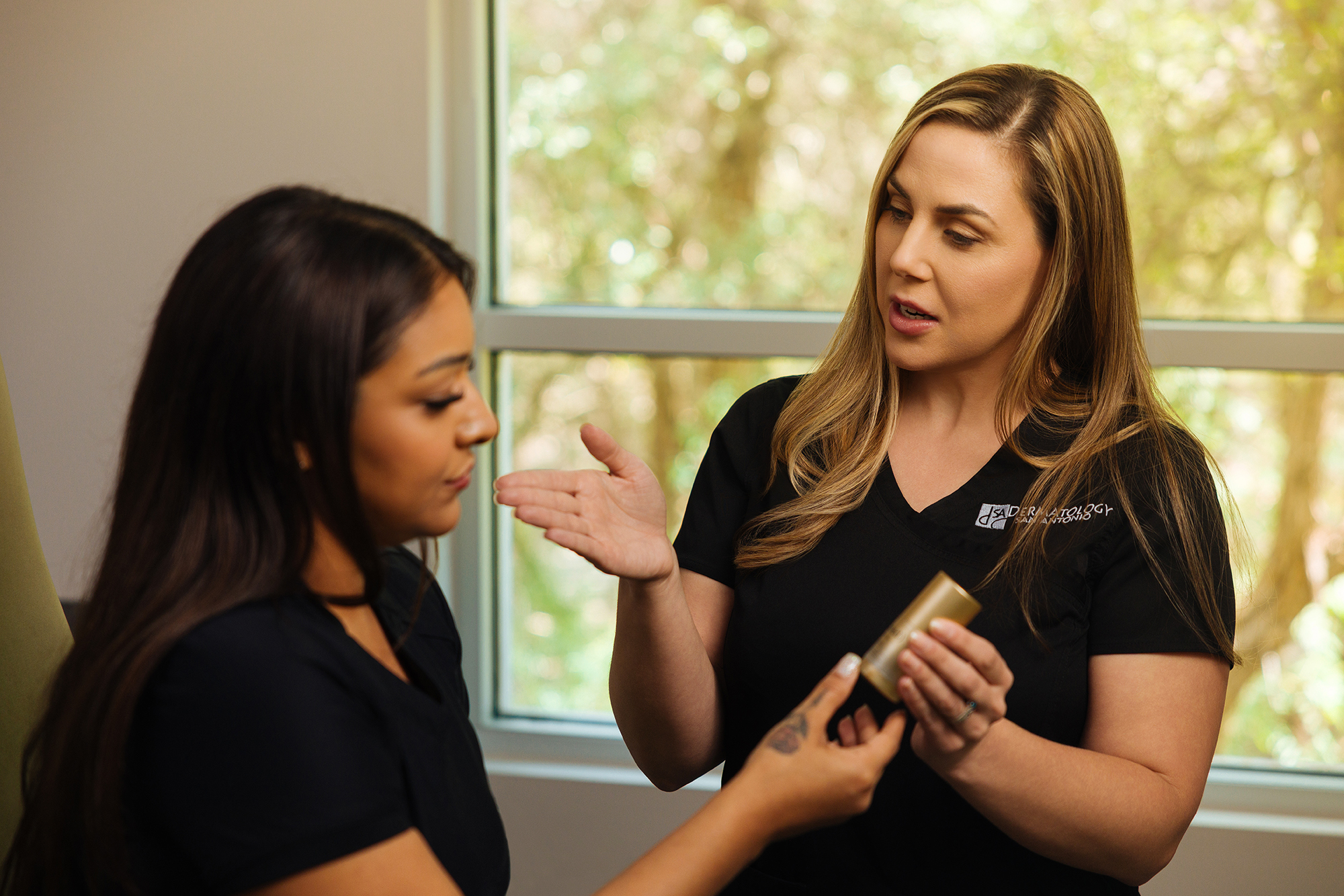
Living with a keloid can be frustrating, but effective treatment options are available. At Dermatology San Antonio, our experienced providers offer personalized solutions to help reduce the appearance of keloids and improve the look and feel of your skin.
If you’re concerned about a raised scar or would like to explore treatment options, contact Dermatology San Antonio today to schedule a consultation. Our team is here to help you achieve healthier, more confident skin.