








When Should You See a Dermatologist About a Mole?
Moles are a common part of our skin, and most are completely harmless. However, knowing what is normal for your skin and recognizing when something changes can play an important role in the early detection of skin cancer.
Whether you’ve noticed a new mole, a change in an existing one or a spot that simply looks different from the others, it’s worth having it evaluated by a dermatologist. Melanoma, a serious form of skin cancer, is often highly treatable when detected early.
What Does a Normal Mole Look Like?
Moles develop when pigment-producing cells, known as melanocytes, grow in clusters. They can appear anywhere on the body and vary in size, shape and color.
A typical, healthy mole is generally round or oval, has a smooth, well-defined border and is relatively consistent in color. It may be flat or raised and can range from flesh-colored to dark brown.
Most moles develop during childhood and adolescence. While developing a new mole in adulthood does not necessarily indicate skin cancer, it is important to pay attention to new growths, particularly after age 30.
Signs of a Cancerous Mole: The ABCDEs of Melanoma
One of the easiest ways to identify a potentially concerning mole is by using the ABCDEs of melanoma. Dermatologists recommend this method to help patients recognize common warning signs during at-home skin checks.
· A – Asymmetry: One half of the mole does not match the other.
· B – Border: The edges are irregular, jagged, blurred or poorly defined.
· C – Color: The mole contains multiple colors or uneven shades of brown, black, red, white or blue.
· D – Diameter: The mole is larger than 6 millimeters, approximately the size of a pencil eraser. However, melanomas can also be smaller.
· E – Evolving: The mole changes in size, shape, color, texture or appearance over time.
A changing mole is one of the most important warning signs to watch for. Not all melanomas follow the ABCDE rule, however, which is why any unusual or suspicious spot deserves professional attention.
When to See a Dermatologist for a Mole
You don’t need to wait until a mole becomes painful or shows multiple warning signs to schedule a mole check. In fact, many early melanomas cause no physical discomfort at all.
Consider making an appointment with a dermatologist if you notice:
· A new mole that develops in adulthood
· An existing mole that changes in size, shape or color
· A mole that begins to itch, bleed or crust without an obvious cause
· A spot that does not heal
· A mole that looks noticeably different from the others on your body
That last warning sign is often referred to as the “ugly duckling” sign. Most people have moles that share similar characteristics. When one stands out from the rest, it may warrant further evaluation, even if it does not meet the traditional ABCDE criteria.
Who Should Have Regular Mole Checks?
Anyone can develop melanoma, regardless of age or skin tone. However, certain factors may increase your risk, including a personal or family history of skin cancer, frequent sunburns, tanning bed use, numerous or atypical moles and a weakened immune system.
Living in San Antonio, where outdoor activities and sun exposure are common throughout much of the year, makes practicing sun protection and staying familiar with your skin especially important.
Your dermatologist can recommend a skin examination schedule based on your individual risk factors. Between appointments, regular at-home skin checks can help you identify changes, including in less visible areas such as your scalp, back, soles of your feet and between your toes.
What Happens During a Professional Mole Check?
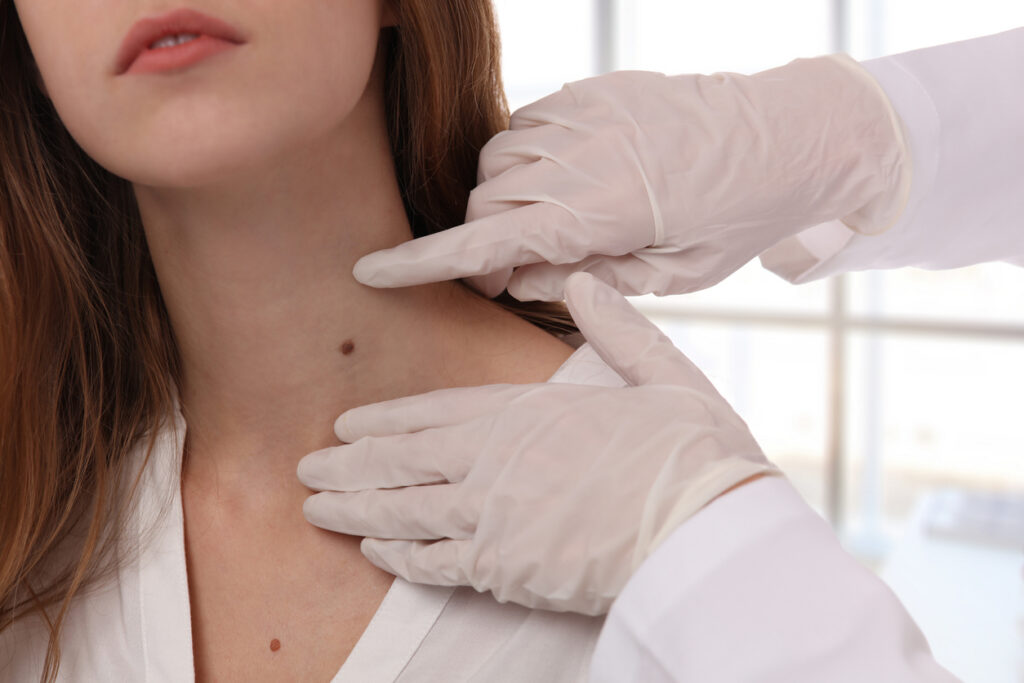
During a mole check, your dermatologist will examine the appearance of the mole and ask about any changes you’ve noticed. They may also use a dermatoscope, a specialized handheld instrument that allows them to examine structures within the skin that are not easily visible to the naked eye.
If a mole appears suspicious, your dermatologist may recommend a biopsy. The tissue is then examined under a microscope to determine whether cancerous cells are present.
Not every mole needs to be removed. Some can be safely monitored, while others may require removal for medical reasons or because they cause irritation or cosmetic concerns. Your dermatologist can help determine the most appropriate approach.
It’s important to avoid attempting to remove a mole at home, as doing so can lead to infection, scarring and a delayed skin cancer diagnosis.
Schedule a Mole Check at Dermatology San Antonio
When it comes to your skin, even subtle changes are worth paying attention to. While most moles are benign, having a suspicious spot evaluated can provide peace of mind and help identify potential concerns before they progress.
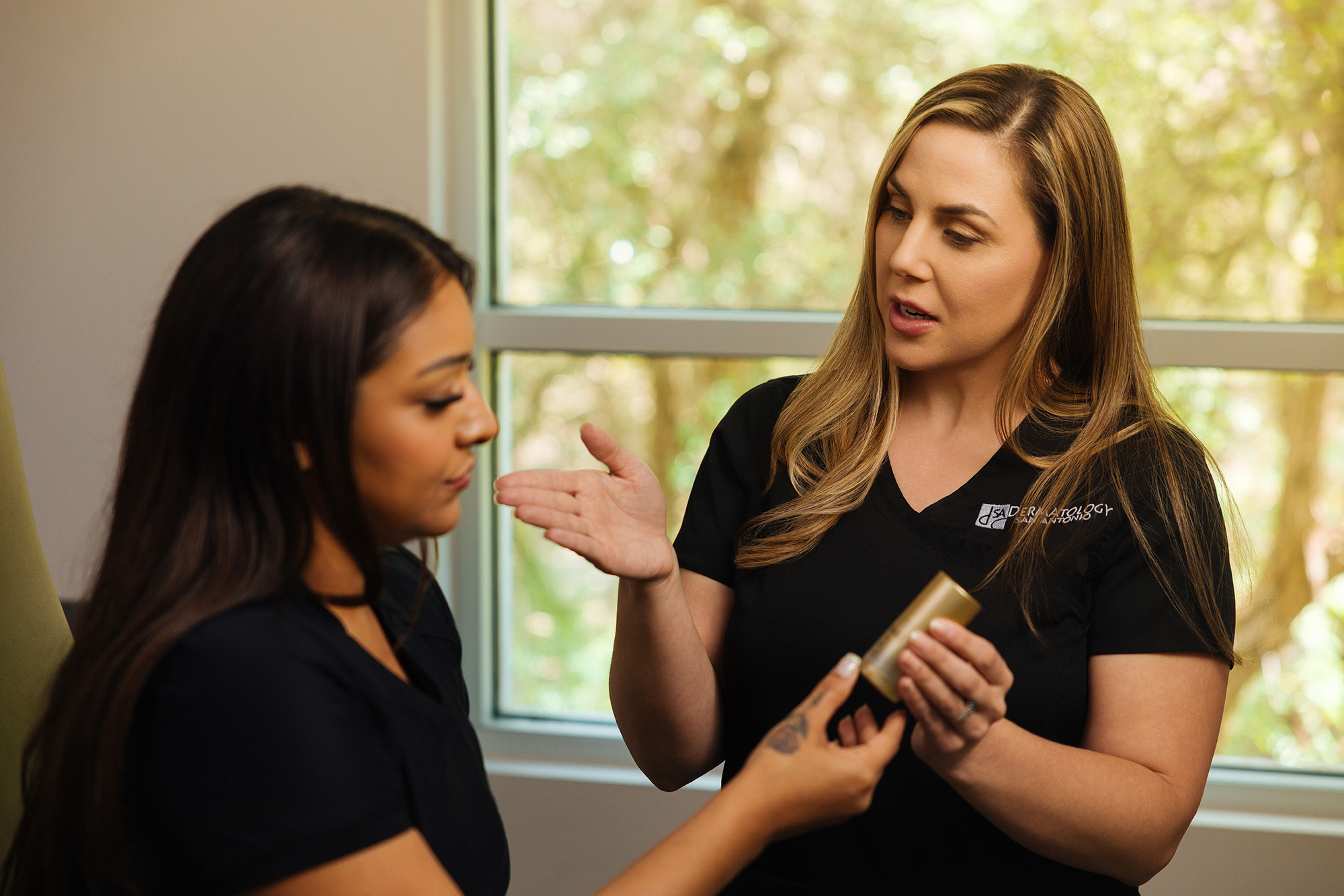
At Dermatology San Antonio, our team provides in-depth skin examinations, mole evaluations and mole removal services to help patients maintain healthy skin.
If you’ve noticed a new or changing mole, or simply have concerns about an existing one, contact Dermatology San Antonio to schedule an appointment.